Featured
Enhancing Several Payments for Improved Monthly Efficiency
Table of Contents
Adapting to High-Interest Environments in Major Metro Areas
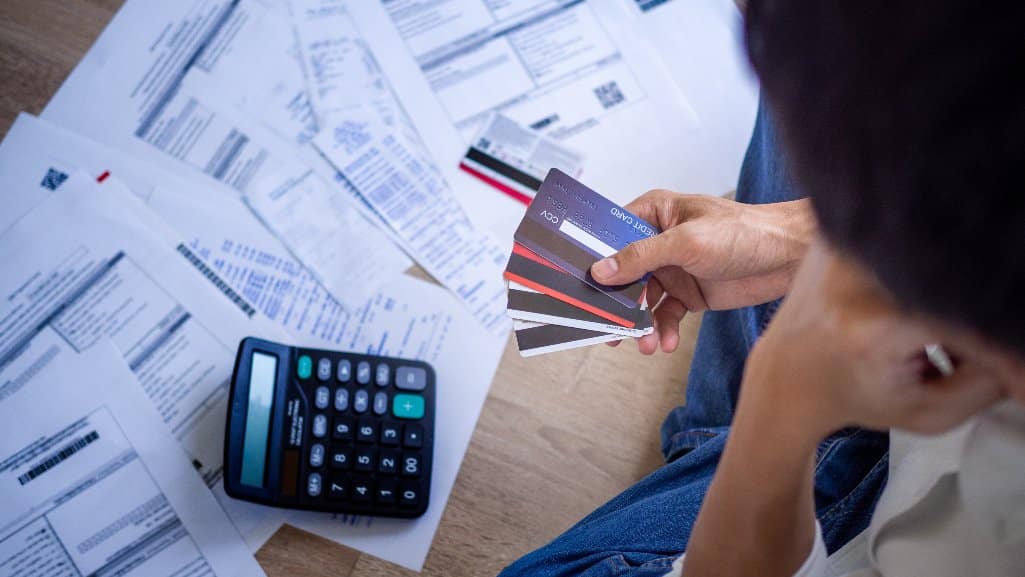
Charge card balances in 2026 have actually reached levels that need more than simply minimum payments. For many homes in urban centers, the rising cost of living has actually squeezed month-to-month margins, causing a surge in revolving debt. Managing these balances involves more than simply budgeting-- it requires a tactical shift in how interest is dealt with. High rates of interest on charge card can create a cycle where the primary balance hardly moves regardless of consistent payments. Professional analysis of the 2026 financial climate recommends that rolling over financial obligation into a structured management plan is becoming a basic relocation for those seeking to restore control.
The present year has seen a shift toward more official financial obligation management structures. While debt consolidation loans were the main choice in previous years, 2026 has seen a rise in making use of nonprofit debt management programs. These programs do not involve securing a new loan to pay off old ones. Rather, they concentrate on restructuring existing responsibilities. Success in debt decrease typically begins with professional knowledge in Interest Reduction. By working with a Department of Justice-approved 501(c)(3) nonprofit company, individuals can access settlements that are normally unavailable to the basic public. These agencies work directly with creditors to lower interest rates and waive late charges, which allows more of each payment to go towards the primary balance.
Mechanics of Debt Management Plans in 2026
A debt management program functions by combining several regular monthly credit card payments into one single payment made to the therapy agency. The agency then distributes these funds to the different financial institutions. This system streamlines the process for the customer while guaranteeing that every financial institution receives a payment on time. In 2026, these programs have actually become more sophisticated, frequently incorporating with digital banking tools to supply real-time tracking of debt reduction progress. For homeowners in various regions, these services provide a bridge in between overwhelming debt and monetary stability.
The settlement stage is where the most significant savings happen. Financial institutions are frequently ready to provide concessions to not-for-profit firms due to the fact that it increases the probability of complete payment. These concessions may consist of dropping a 24% rates of interest to 8% or lower. This decrease significantly alters the mathematics of financial obligation payment. Integrated Debt Consolidation Solutions provides a clear roadmap for those having a hard time with numerous financial institutions. Without these worked out rates, a consumer might invest years settling a balance that might be cleared in three to five years under a managed plan. This timeline is a critical element for anybody planning for long-lasting objectives like homeownership or retirement.
Comparing Combination Loans and Nonprofit Therapy
Choosing between a combination loan and a financial obligation management plan depends upon credit health and current earnings. In 2026, credit requirements for low-interest individual loans have tightened. This leaves many individuals in different parts of the country trying to find alternatives. A consolidation loan is a brand-new financial obligation that pays off old financial obligation. If the rates of interest on the new loan is not significantly lower than the average of the charge card, the advantage is minimal. If the hidden spending routines do not change, there is a danger of running up the credit card balances once again while still owing the debt consolidation loan.
Not-for-profit credit therapy companies use a different technique. Since they are 501(c)(3) organizations, their main focus is education and financial obligation decrease rather than profit. They supply free credit therapy and pre-bankruptcy counseling for those in dire straits. Discovering trusted Debt Relief in Maryland can mean the distinction between insolvency and healing. These companies likewise manage pre-discharge debtor education, ensuring that people have the tools to prevent duplicating previous errors. This instructional part is frequently what separates long-lasting success from momentary relief.

The Function of HUD-Approved Real Estate Therapy
Debt management does not exist in a vacuum. It is carefully connected to housing stability. In the local market, numerous people find that their credit card financial obligation prevents them from getting approved for a home mortgage or perhaps keeping current rental payments. HUD-approved housing therapy is a important resource supplied by across the country agencies. These services help people understand how their debt impacts their real estate choices and offer methods to safeguard their homes while paying for financial institutions. The combination of real estate guidance with debt management produces a more steady monetary foundation for families across the 50 states.

In 2026, the connection between credit history and housing costs is tighter than ever. A lower debt-to-income ratio, achieved through a structured management plan, can cause better insurance rates and lower mortgage interest. Counseling agencies often partner with local nonprofits and community groups to guarantee that these services reach varied populations. Whether in a specific territory, the goal is to supply accessible monetary literacy that translates into real-world stability.
Long-Term Strategy and Financial Literacy
Rolling over debt in 2026 is as much about education as it is about interest rates. The most reliable programs consist of a deep focus on monetary literacy. This includes discovering how to track expenses, construct an emergency fund, and understand the mechanics of credit rating. Agencies that run across the country typically offer co-branded partner programs with financial institutions to help customers shift from financial obligation management back into conventional banking and credit products. This shift is a major milestone in the recovery procedure.
Using independent affiliates assists these firms extend their reach into smaller sized communities where specialized financial advice might be limited. By supplying these resources locally, they make sure that assistance is readily available no matter location. For those in surrounding areas, this suggests access to the very same high-quality therapy found in significant monetary. The technique for 2026 is clear: stop the bleeding by reducing interest rates, consolidate the procedure to make sure consistency, and utilize the resulting savings to construct a long-term monetary safeguard.
Managing debt is a marathon. The 2026 environment needs a disciplined method and a willingness to look for expert assistance. By making use of the structures offered by not-for-profit companies, people can navigate the complexities of modern-day credit. The process of moving from high-interest revolving financial obligation to a structured, negotiated strategy is a proven course to financial health. With the best assistance and a concentrate on education, the debt that seems unmanageable today can be a distant memory within just a couple of years.

Latest Posts
Identifying the Right Debt Relief Pathway
Regulatory Changes for Debt Relief in 2026
Reviewing Debt Management Against Bankruptcy for 2026